




Basketball Recruiting19 hours ago
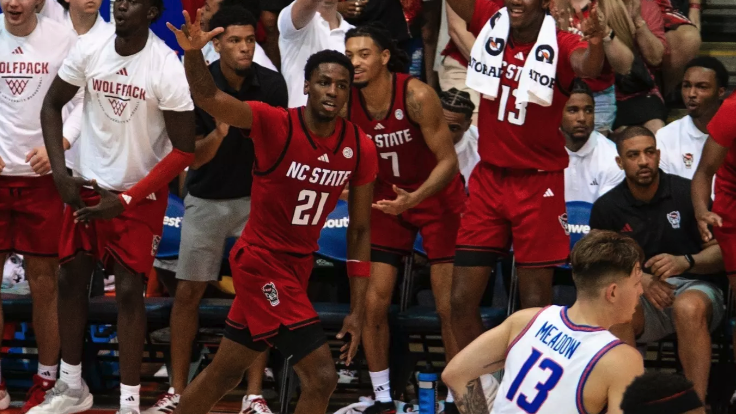
NC State Offers Sharpshooting 2027 Forward Ian Condon

NC State Football1 day ago
NC State-Virginia Game Moved From Brazil Back to Charlottesville

NC State Football2 days ago
Lindy’s Picks NC State to Finish 10th in the ACC in 2026

NC State Basketball2 days ago
NC State Guard Jayme Kontuniemi Transferring to Troy

NC State Football3 days ago
CJ Bailey Lands In The Sporting News’ Preseason Top-25 Quarterback Rankings

NC State Football3 days ago
Anonymous ACC Coaches Doubt NC State. The Results Say Otherwise.
NC State Football3 days ago
CJ Bailey Lands In The Sporting News’ Preseason Top-25 Quarterback Rankings
NC State Football2 days ago
Lindy’s Picks NC State to Finish 10th in the ACC in 2026
NC State Basketball2 days ago
NC State Guard Jayme Kontuniemi Transferring to Troy
NC State Football1 day ago
NC State-Virginia Game Moved From Brazil Back to Charlottesville

Podcast2 weeks ago
PODCAST: How the Elliott Avent retirement / Chris Hart hiring went down, plus 2 new basketball commits

NC State Basketball3 weeks ago
PODCAST: Roster Construction, Analytics, Position-by-Position Breakdown

NC State Basketball4 weeks ago
PODCAST: NC State’s new center, Kyle Evans, joins the podcast

Podcast4 weeks ago
PODCAST: An intro to our new pod, the Pack Pride rebrand, how we got here and a vision for what’s next

NC State Basketball1 month ago
PODCAST: Transfer Commit RJ Keene joins us to talk about being ‘The Glue’ and why Pack fans may see his game expand this year
-
 NC State Football3 days ago
Anonymous ACC Coaches Doubt NC State. The Results Say Otherwise.
-
 NC State Baseball4 days ago
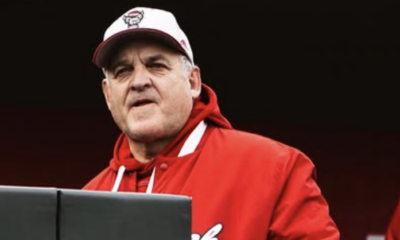
Elliott Avent Finishes Career Ranked Among College Baseball’s Winningest Coaches
-
 NC State Football3 days ago
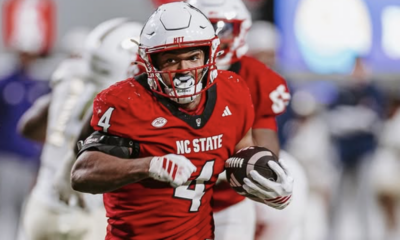
Duke Scott Awarded NC State’s Prestigious No. 1 Jersey
-

 NC State Basketball4 days ago
PODCAST: NC State fan favorite, Richard Howell, joins the show to talk NC State Basketball
-
 NC State Football3 days ago
CJ Bailey Lands In The Sporting News’ Preseason Top-25 Quarterback Rankings
-
 NC State Football2 days ago
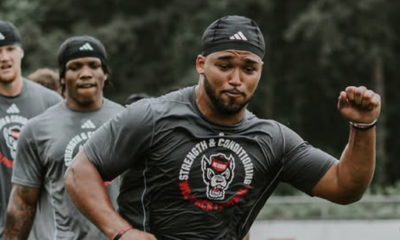
Lindy’s Picks NC State to Finish 10th in the ACC in 2026
-
 NC State Basketball2 days ago
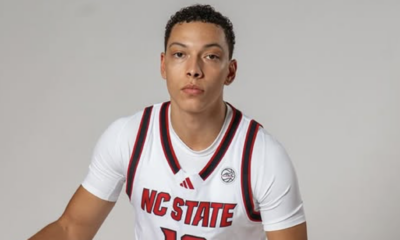
NC State Guard Jayme Kontuniemi Transferring to Troy
-
 NC State Football1 day ago
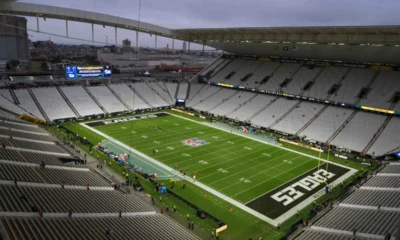
NC State-Virginia Game Moved From Brazil Back to Charlottesville