




NC State Football19 minutes ago
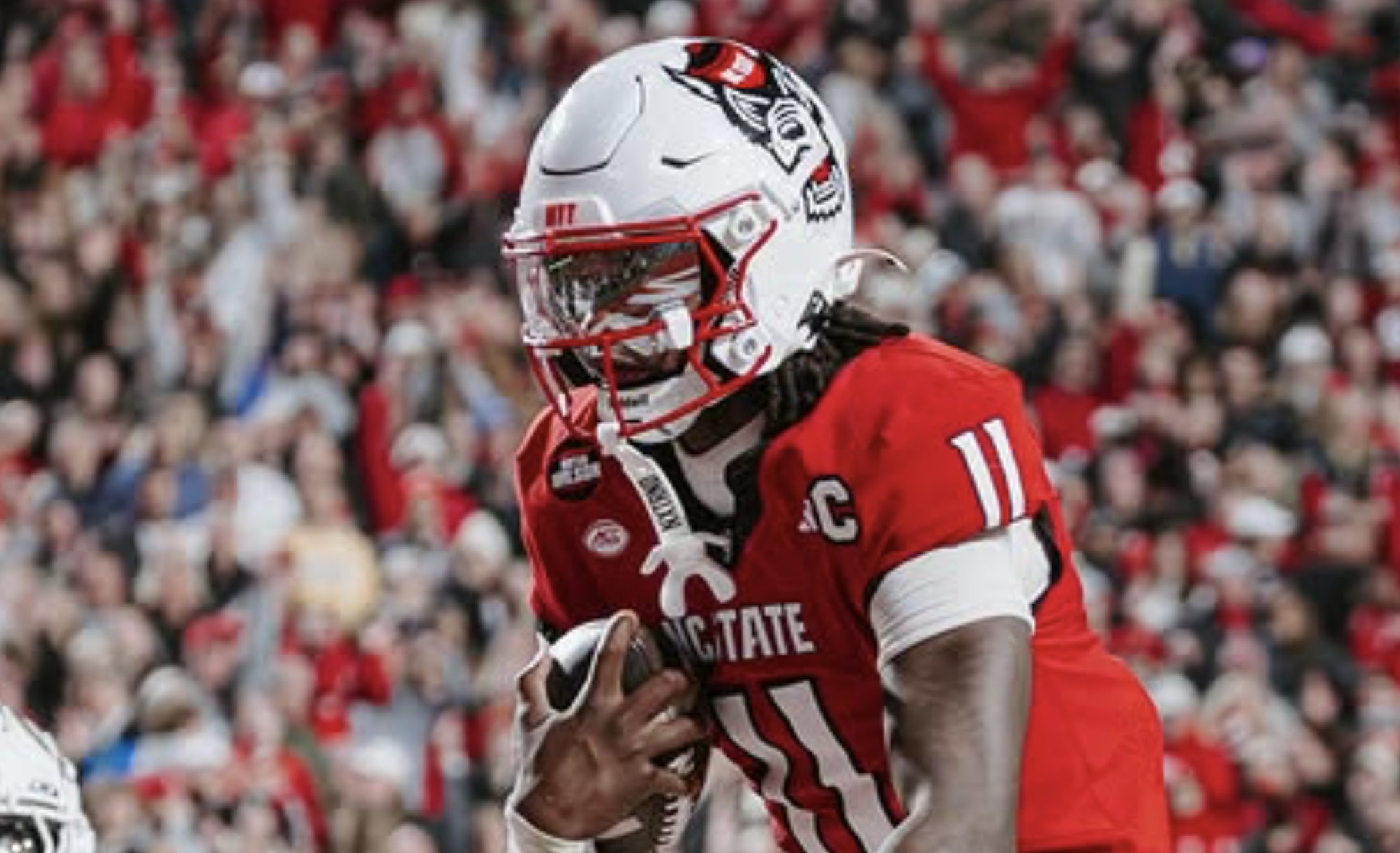
NC State using concerts in Carter-Finley to create revenue for athletics. Here’s how it works…

NC State Football3 hours ago
NC State Has the Second-Youngest Roster in the ACC Entering the 2026 Season

NC State Baseball16 hours ago
RELEASE: Wolfpack Club Closes Out Another Historic Fundraising Year

NC State Basketball17 hours ago
4-Star PF Ian Condon will Take an Official Visit to NC State

NC State Football2 days ago
Virginia Names Beau Pribula Starting Quarterback Ahead of NC State Opener

NC State Football3 days ago
NCAA Denies Jai’Lun Hampton’s Sixth Season, Dealing Blow to NC State’s Offensive Line

NC State Baseball3 days ago
Auburn Pitcher Justice De Jong is Transferring to NC State

NC State Basketball2 days ago
WATCH: Quadir Copeland EXPLODES for 24 points in final NBA Summer League outing
NC State Football2 days ago
Virginia Names Beau Pribula Starting Quarterback Ahead of NC State Opener
NC State Basketball17 hours ago
4-Star PF Ian Condon will Take an Official Visit to NC State

Podcast5 days ago
PODCAST: The guys recap the Patrick Stacy interview, argue about Quadir Copeland’s game and talk NC State’s MLB Draft

NC State Basketball3 weeks ago
PODCAST: NC State Basketball GM Patrick Stacy joins the pod to talk about building this year’s roster

Podcast2 months ago
PODCAST: How the Elliott Avent retirement / Chris Hart hiring went down, plus 2 new basketball commits

NC State Basketball2 months ago
PODCAST: Roster Construction, Analytics, Position-by-Position Breakdown

NC State Basketball2 months ago
PODCAST: NC State’s new center, Kyle Evans, joins the podcast
-
 Football Recruiting4 days ago
Gunner Rivers will Face Off Against Luke Bryan’s Son in Week 1
-

 NC State Baseball4 days ago
D-II Standout OF Connor Clark is Transferring to NC State
-

 NC State Basketball3 days ago
Whitty? Adams? How will NC State’s backup PG role play out?
-
 NC State Football3 days ago
NCAA Denies Jai’Lun Hampton’s Sixth Season, Dealing Blow to NC State’s Offensive Line
-
 NC State Baseball3 days ago
Auburn Pitcher Justice De Jong is Transferring to NC State
-
 NC State Basketball2 days ago
WATCH: Quadir Copeland EXPLODES for 24 points in final NBA Summer League outing
-
 NC State Football2 days ago
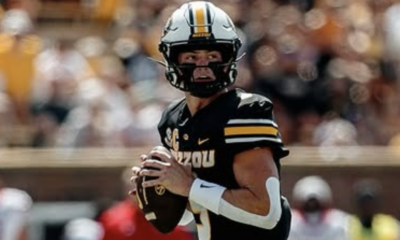
Virginia Names Beau Pribula Starting Quarterback Ahead of NC State Opener
-
 NC State Basketball17 hours ago
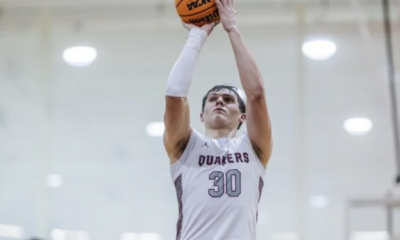
4-Star PF Ian Condon will Take an Official Visit to NC State