
NC State Basketball
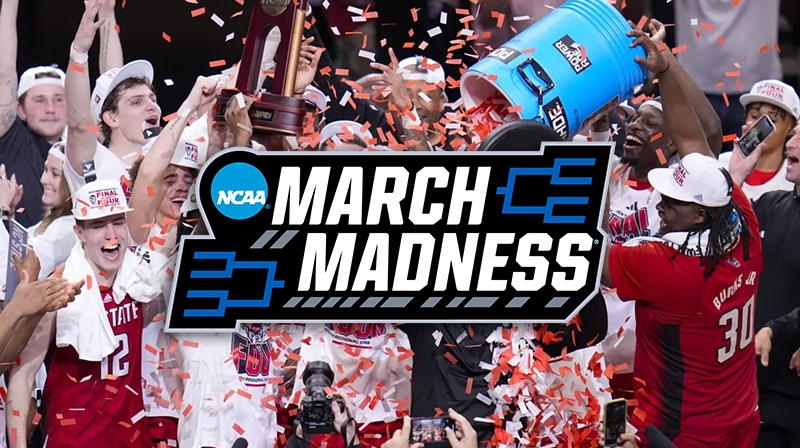
NCAA Tournament Going to 76 Teams: You probably will hate it, but it will likely end up working in NC State’s favor



NC State Basketball19 hours ago
Gainey says Paul McNeil Jr. has been ‘amazing’ and has stepped into a leadership role

NC State Basketball22 hours ago
Former Pack stars Richard Howell & Damon Thornton debate the NIL era and where NC State fits in

NC State Football1 day ago
How PFF Graded NC State’s Returning Offensive Players and Transfers in 2025

NC State Basketball2 days ago
PRESS CONFERENCE TAKEAWAYS: Gainey gives insight into the frontcourt newcomers Jurkovic and Hall

NC State Basketball3 days ago
PRESS CONFERENCE: Justin Gainey talks summer workouts, roster, and expectations (Full Transcript)
NC State Basketball3 days ago
PRESS CONFERENCE: Justin Gainey talks summer workouts, roster, and expectations (Full Transcript)

NC State Football3 days ago
NC State using concerts in Carter-Finley to create revenue for athletics. Here’s how it works…

NC State Football3 days ago
NC State Has the Second-Youngest Roster in the ACC Entering the 2026 Season
NC State Basketball2 days ago
PRESS CONFERENCE TAKEAWAYS: Gainey gives insight into the frontcourt newcomers Jurkovic and Hall

NC State Football3 days ago
NC State Returns 54% of Production, Ranks Ninth in the ACC Entering 2026
NC State Basketball22 hours ago
Former Pack stars Richard Howell & Damon Thornton debate the NIL era and where NC State fits in

Podcast1 week ago
PODCAST: The guys recap the Patrick Stacy interview, argue about Quadir Copeland’s game and talk NC State’s MLB Draft

NC State Basketball3 weeks ago
PODCAST: NC State Basketball GM Patrick Stacy joins the pod to talk about building this year’s roster

Podcast2 months ago
PODCAST: How the Elliott Avent retirement / Chris Hart hiring went down, plus 2 new basketball commits

NC State Basketball2 months ago
PODCAST: Roster Construction, Analytics, Position-by-Position Breakdown
-
 NC State Basketball3 days ago
4-Star PF Ian Condon will Take an Official Visit to NC State
-
 NC State Basketball3 days ago
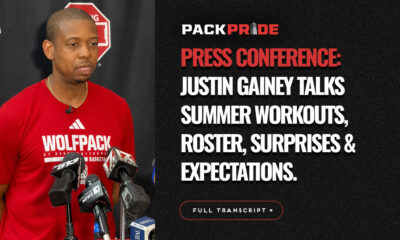
PRESS CONFERENCE: Justin Gainey talks summer workouts, roster, and expectations (Full Transcript)
-
 NC State Football3 days ago
NC State using concerts in Carter-Finley to create revenue for athletics. Here’s how it works…
-
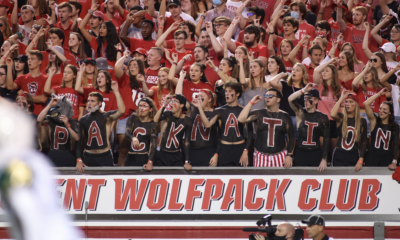
 NC State Baseball3 days ago
RELEASE: Wolfpack Club Closes Out Another Historic Fundraising Year
-
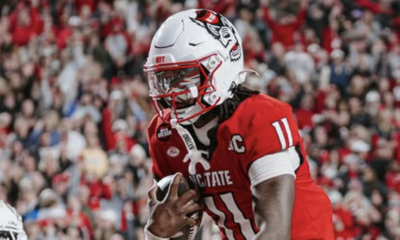 NC State Football3 days ago
NC State Has the Second-Youngest Roster in the ACC Entering the 2026 Season
-
 NC State Basketball2 days ago
PRESS CONFERENCE TAKEAWAYS: Gainey gives insight into the frontcourt newcomers Jurkovic and Hall
-
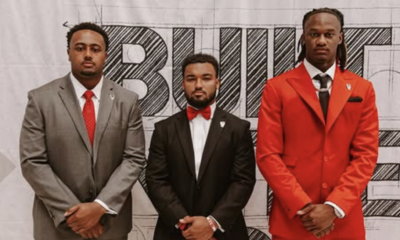 NC State Football3 days ago
NC State Returns 54% of Production, Ranks Ninth in the ACC Entering 2026
-
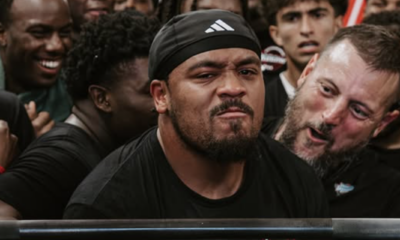 NC State Football1 day ago
How PFF Graded NC State’s Returning Offensive Players and Transfers in 2025